Beyond the “Data Poor” Narrative: Unlocking High-Quality Carbon Project Development in Africa
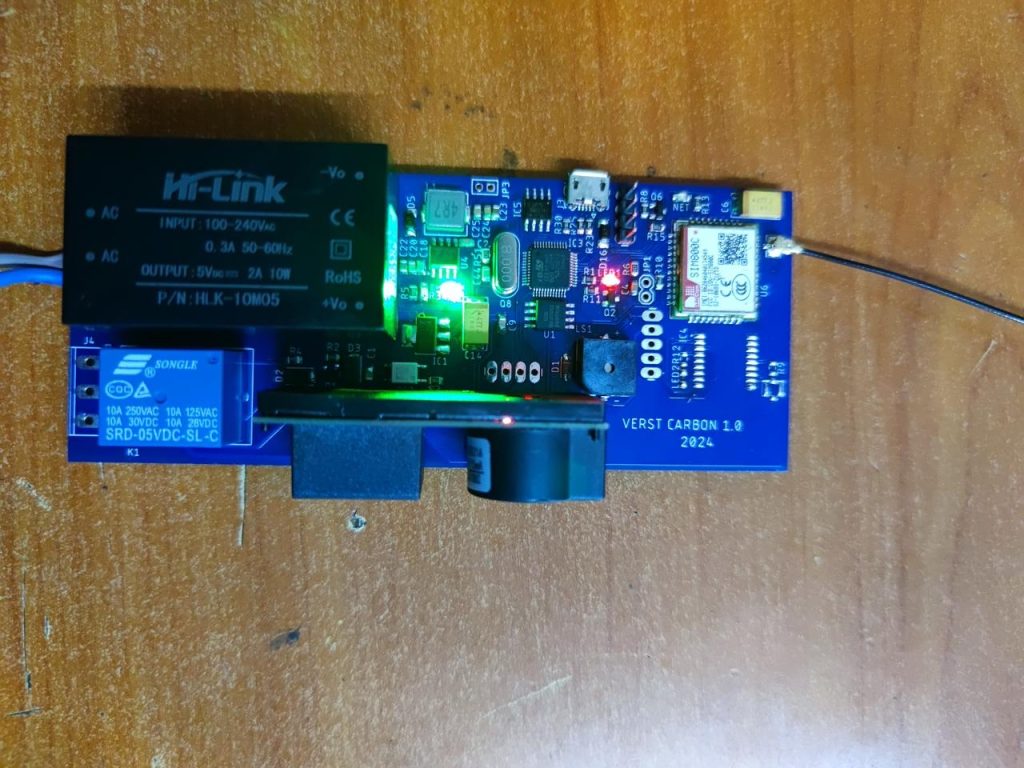
For years, Africa has been framed in global climate conversations as “data poor,” a narrative that has quietly shaped how carbon project development on the continent is perceived, priced, and financed. In carbon markets, where investor confidence depends on verifiable information, this assumption has often translated into higher risk premiums, conservative baselines, and skepticism about project integrity. Yet the reality is far more nuanced. Africa is not short of data; it is rich in un-digitized, hyperlocal information that has yet to be integrated into digital carbon market systems.
Africa’s Hidden Data Advantage in Carbon Markets
Across African landscapes and communities, valuable data already exists. Indigenous land-use practices, forest management knowledge, soil health records, household energy-use patterns, and community-level environmental monitoring are widely documented locally, even if not yet digitized. The challenge has never been the absence of information, but the absence of infrastructure capable of translating this knowledge into formats that global carbon standards, registries, and buyers recognize and trust. According to a 2022 World Bank report on digital MRV systems, many developing countries, including those in Africa, rely on paper-based, fragmented data structures not integrated into carbon market digital systems.
Because carbon project development relies on precise measurement, reporting, and verification, projects without digitized data have historically defaulted to generic emission factors and regional averages. This has often led to the undervaluation of climate impact, weaker additionality claims, and reduced competitiveness of African carbon projects in international markets.
Because carbon project development relies on precise measurement, reporting, and verification, projects without digitized data have historically defaulted to generic emission factors and regional averages. This has often led to the undervaluation of climate impact, weaker additionality claims, and reduced competitiveness of African carbon projects in international markets.
Why Data Quality Defines High-Quality Carbon Credits
High-quality carbon credits depend on more than good intentions. Standards such as Verra’s Verified Carbon Standard and Gold Standard require credible evidence of additionality, permanence, and leakage. As scrutiny of carbon markets intensifies, data quality has become a central determinant of project credibility rather than a technical afterthought.
Institutions like the World Bank consistently emphasize that robust, transparent data underpins investor confidence and market integrity. Without reliable data, even well-designed projects struggle to attract long-term finance or withstand increasing due diligence from buyers and regulators.
From Un-Digitized Knowledge to Data-Driven Climate Action
Africa’s carbon data infrastructure is still emerging, and that presents a rare opportunity. Instead of retrofitting legacy datasets, project developers can build digital MRV systems that reflect local realities from the start. Hyperlocal data can feed directly into national registries, improve baseline accuracy over time, and reduce reliance on conservative assumptions that dilute project value.
This shift toward data-driven climate action allows African carbon projects to move beyond top-down estimation and toward measurement-led credibility. It also enables more accurate carbon asset management, where performance can be tracked continuously and deviations addressed early.
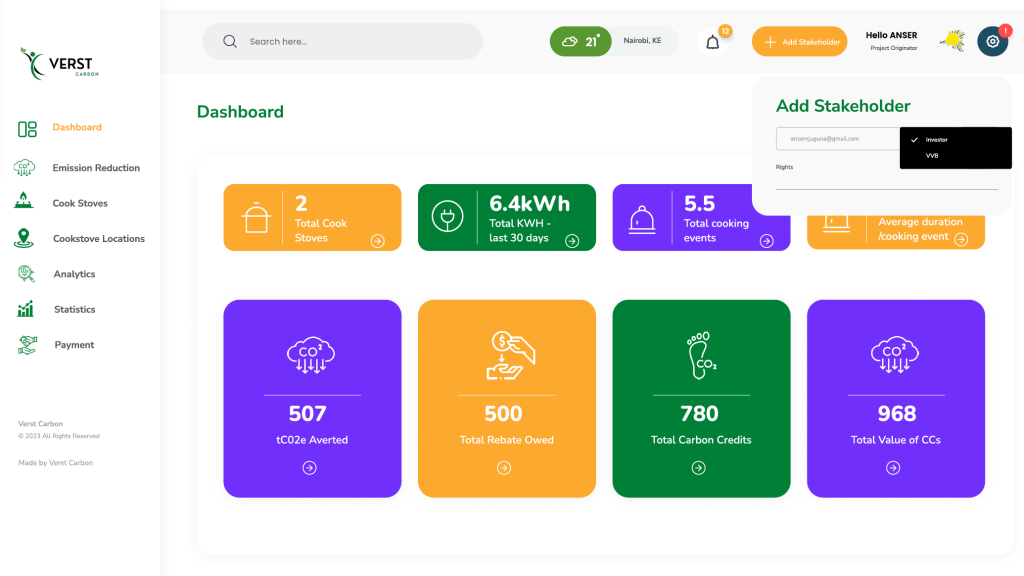
Carbon Asset Management and Long-Term Market Integrity
Once digitized, local data becomes a strategic asset rather than a reporting burden. Modern carbon asset management depends on precise metrics to demonstrate climate impact, monitor permanence, and align projects with national climate goals. This is increasingly important as compliance markets and voluntary buyers demand stronger proof of impact and social safeguards.
The Intergovernmental Panel on Climate Change has repeatedly highlighted the importance of robust monitoring and verification systems for credible mitigation outcomes. In this context, African-led data systems are not just a technical upgrade; they are essential to long-term market integrity.
Reclaiming Africa’s Role in Global Carbon Markets
Reframing Africa’s data narrative is ultimately about power and value. When projects rely on generic assumptions, value is often captured elsewhere. When carbon project development is grounded in hyperlocal, high-quality data, developers and communities gain stronger negotiating positions, clearer visibility into project performance, and greater resilience as carbon markets evolve.
Africa’s carbon future will not be defined by data scarcity, but by how effectively un-digitized knowledge is transformed into decision-grade information. By building data systems that reflect local realities and meet global standards, Africa is not simply participating in carbon markets; it is helping shape what credible, high-quality carbon credits look like in the future. Verst Carbon is actively advancing this transformation through its dMRV solutions for clean cooking projects, capturing granular household-level data to ensure emissions reductions are measured accurately, verified transparently, and valued fairly in global markets.
Africa’s carbon future will not be defined by data scarcity, but by how effectively un-digitized knowledge is transformed into decision-grade information. By building data systems that reflect local realities and meet global standards, Africa is not simply participating in carbon markets; it is helping shape what credible, high-quality carbon credits look like in the future. Verst Carbon is actively advancing this transformation through its dMRV solutions for clean cooking projects, capturing granular household-level data to ensure emissions reductions are measured accurately, verified transparently, and valued fairly in global markets.