Building a Carbon-Smart Energy Future in Kenya
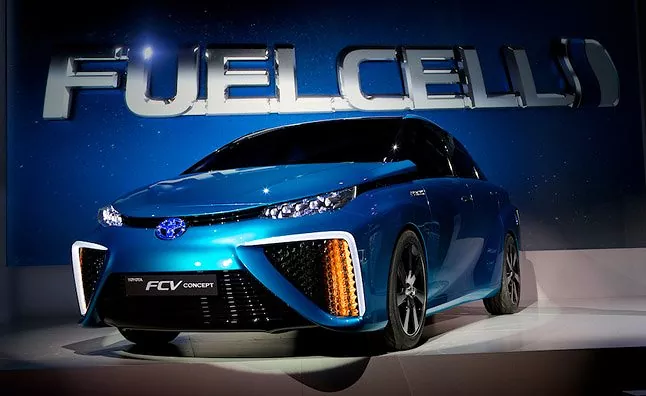
As a sustainable energy engineer and carbon markets associate, I see Kenya at the crossroads of global trends. World energy demand continues to rise even as countries race to decarbonize. The IEA projects final energy use will grow roughly 1% per year through 2050, driven largely by electricity and low-carbon fuels. Analysts estimate hydrogen could meet 15–20% of global final energy by 2050, serving as a clean storage medium. In this context, hydrogen stands out: it stores excess renewable power for later use, drives fuel cells for heavy transport, and can even replace LPG in cooking. When hydrogen burns, only water vapor is produced – no CO₂, soot, or carbon monoxide. This “zero-carbon” flame can cut indoor pollution drastically (WHO links around 3.2 million premature deaths to smoke from cooking and even protect forests by displacing charcoal.
Hydrogen’s versatility shines in transport and the grid. Studies show fuel-cell trucks and buses can be more energy-efficient for heavy loads than battery EVs. In fact, a local consortium in Nairobi is partnering with Ronn Motor Group to field hydrogen-electric delivery trucks this year. Meanwhile, companies like HDF Energy are designing integrated solar–hydrogen power plants. For example, Kenya’s first “Renewstable®” plant will combine 180 MW of solar PV with 500 MWh of hydrogen storage, backed by fuel cells to provide 24/7 baseload power. In practice, solar panels charge a big electrolyzer by day (making H₂ from water) and fuel cells discharge it by night. The result is steady green electricity even when sun or wind fade.
But clean energy innovations need finance. Here’s where carbon credits come in as game-changers. Clean cooking is a great example: the Kenyan company BURN makes improved biomass stoves that burn wood far more efficiently and safely, cutting indoor smoke. By measuring each stove’s wood savings versus a traditional fire, BURN generated some $37 million worth of carbon credits by 2022. That revenue lets them subsidize stoves down to ~$3 each, making them affordable to households. In effect, each stove’s carbon credit is a “payment” for emission cuts – a form of project financing that doesn’t require collateral.
Voluntary carbon markets are growing in Kenya. A recent guidebook for Kenyan companies shows how any project that verifiably cuts CO₂ (from forests, agriculture, cookstoves, etc.) can earn tradable credits. In fact, Kenyan enterprises sold ~11 million voluntary credits in 2022, second in Africa only to the DRC. Many of those credits came from forestry and efficient cooking projects. The government is also supporting this – new regulations now define Kenya’s voluntary carbon market and a National Carbon Registry is in the works to avoid double-counting. As a developer, I see this as crucial: clear rules and a registry give investors confidence that credits are real.

Kenya’s local conditions make these projects especially viable. The country already generates nearly 80% of its electricity from renewables (geothermal from the Rift Valley, wind, small hydro, and solar) and aims for 100% by 2030. Its equatorial climate yields strong solar insolation year-round, and places like the Ngong Hills host wind farms. In fact, a turbine at Ngong (pictured) contributes green power to the grid.
These abundant resources mean Kenya can produce truly “green” hydrogen without fossil feedstocks. The government is moving fast: it has convened a working group and published a national hydrogen roadmap, and even offers guidelines to spur hydrogen and ammonia projects.
Kenya’s Vision 2030 identifies fertilizer as an agricultural priority. Currently most fertilizer (ammonia) is imported and made with fossil fuels. By instead using local geothermal or solar to power electrolysis, Kenya can make green ammonia on site. This would slash the import bill and reduce CO₂ emissions, while also meeting surging demand (fertilizer use is projected to jump ~60% by 2033). In other words, a project that makes H₂ from renewable power and converts it to fertilizer could earn carbon credits (for displacing grey ammonia) and supply a booming market.
Globally we see similar shifts: South Korean and Japanese pilots are testing home hydrogen stoves, and companies in Africa (e.g. Saveions’ H2Eats in Tanzania) are developing solar-powered hydrogen cookers for schools. As Kenyan incomes and electrification rise, there will be demand for clean cooking and transport too. Each new hydrogen bus or home hydrogen kitchen can further tap carbon finance: just like cookstoves, they cut emissions (and health costs) even while providing essential services.
Key takeaways: – Kenya is embracing hydrogen. Planners see green hydrogen/ammonia as key for clean fertilizer, industry and power. Renewables can supply it, and projects like HDF’s solar–H₂ plant prove it works.
– Transport and cooking can go zero-carbon. Fuel-cell buses and trucks are already more efficient for heavy loads, and hydrogen stoves emit only water (no CO₂ or soot). This would dramatically improve air quality and slash fuel use.
– Carbon credits unlock financing. Projects that verifiably cut emissions (e.g. clean stoves, reforestation, biogas) earn saleable offsets. Businesses now view credits as collateral-free capital, a vital help in Kenya’s tough lending climate.
– Policy and partnerships are aligning. Kenya’s government has issued guidelines and is setting up a carbon registry. Groups like Power Africa and KEPSA have produced practical guides to help companies tap carbon markets.
In my experience on the ground, Kenya checks all the boxes: rich renewable resources, growing energy demand, and proactive climate policies. From the carbon markets side, the message is clear – Kenya’s clean energy projects (whether fertilizer plants, solar farms, or hydrogen initiatives) can not only cut pollution but also finance themselves through carbon credits. The world is shifting toward net-zero, and Kenya’s unique energy landscape puts it in the driver’s seat. By developing these carbon-smart projects, we can help Kenya meet rising power and fertilizer needs sustainably – while generating valuable credits that make the economics work.